9 December 2025
Royal Astronomical Society president, Professor Mike Lockwood, spoke to pupils on his curiosity, struggles, and determination in science
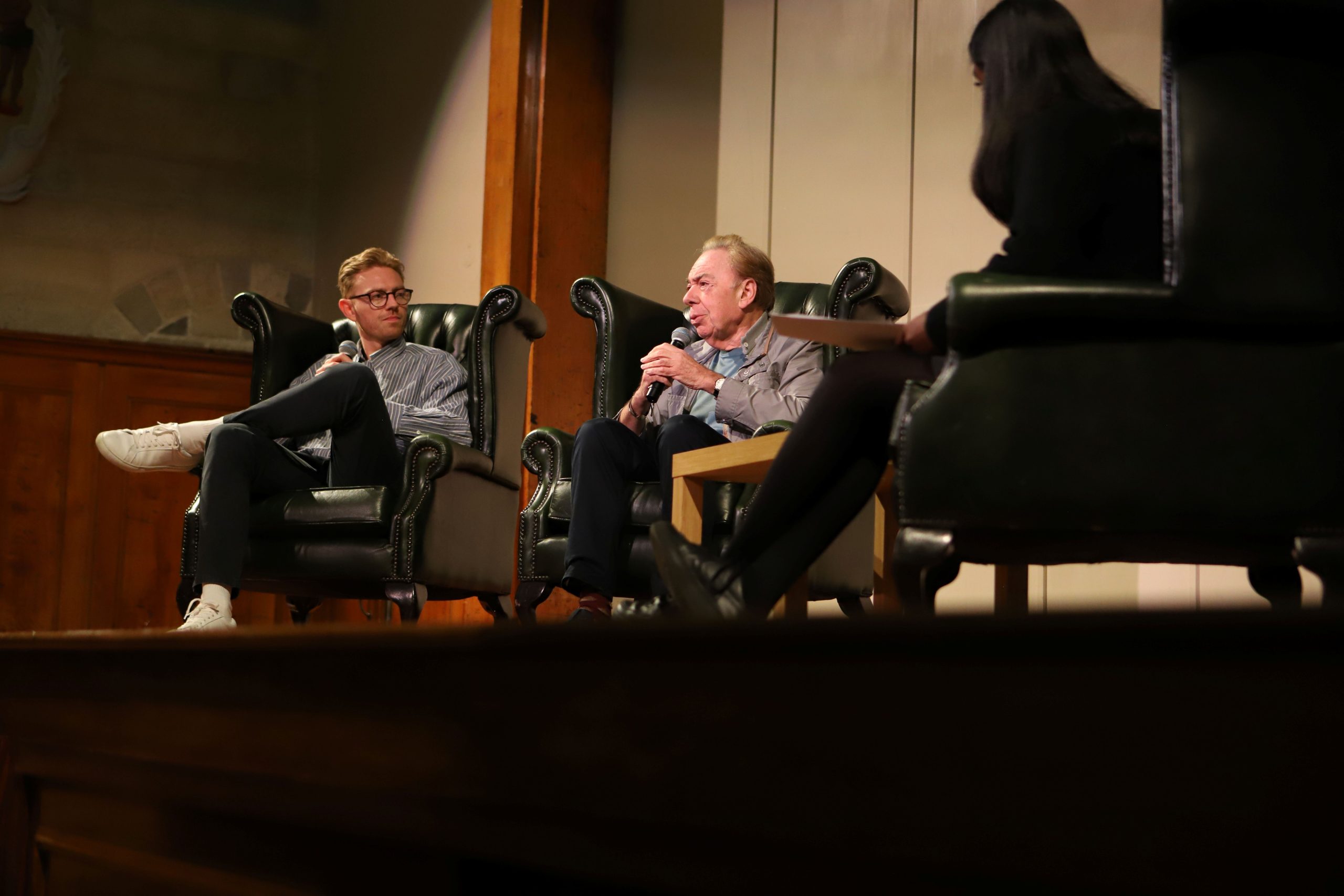
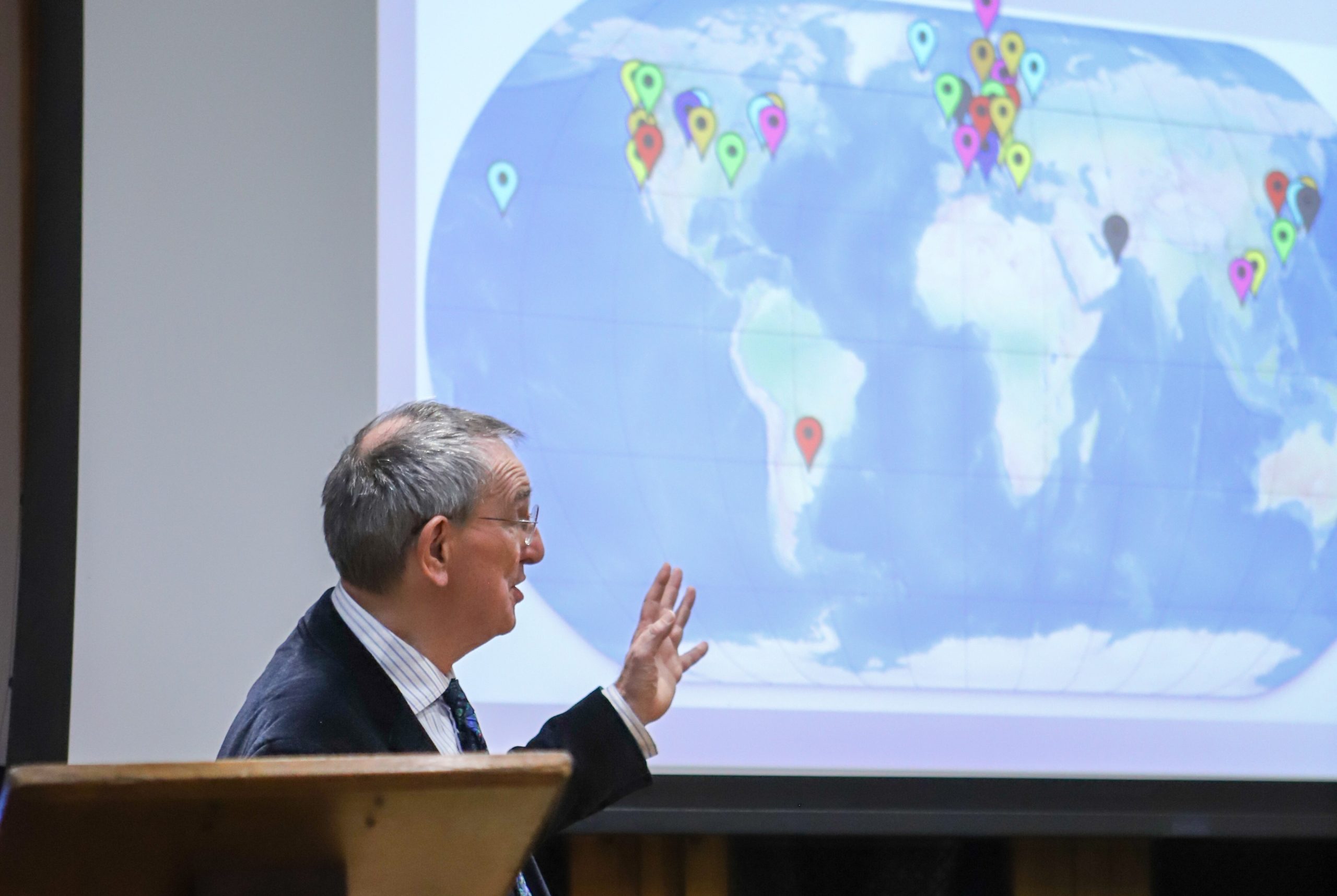
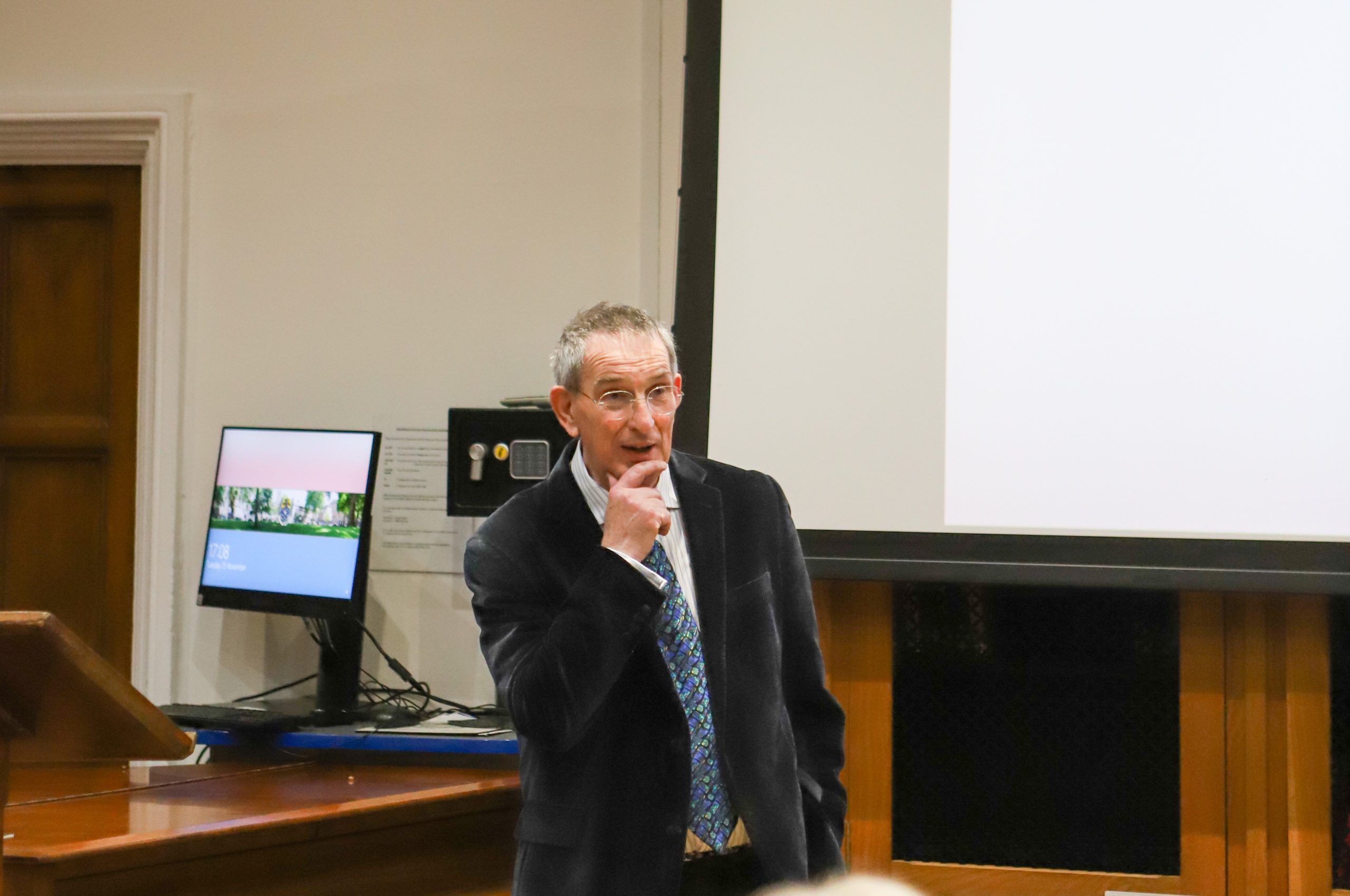
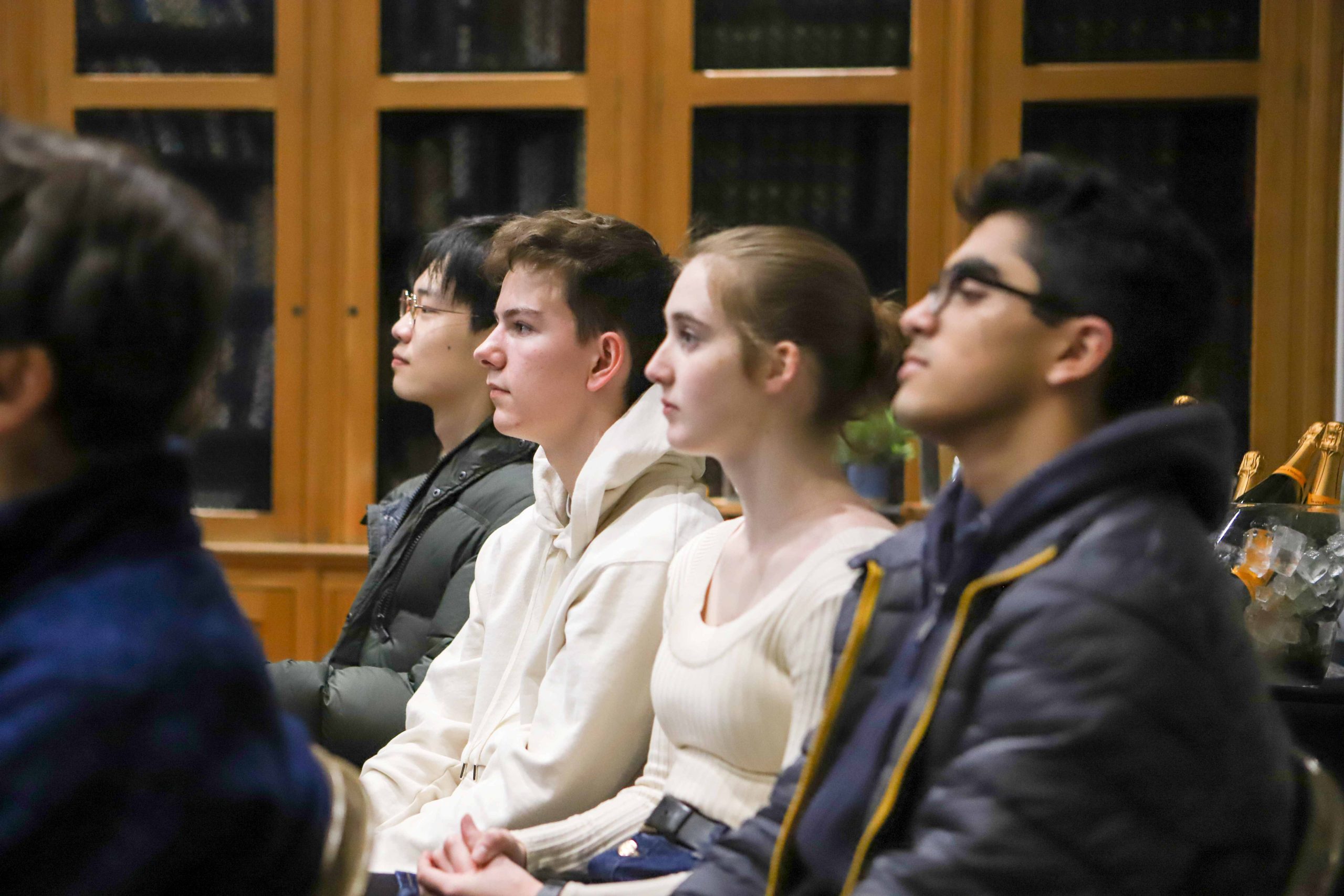
At the Westminster Horizons Lecture in November, the eminent physicist explored the international scope of his work, particularly at the University Centre in the Svalbard polar region of Norway, a “Scandinavian-style interstellar prison ship” with unique research facilities, under the Northern Lights and with the constant threat of polar bears appearing at the window. Professor Lockwood talked about his work, centring on the Earth’s high‑tech systems, such as satellites and electricity networks, and their vulnerability to solar energy. His research has long examined how the Sun influences the Earth’s upper atmosphere, particularly through auroral processes. He highlighted the risks posed by Solar Energetic Particles and high‑energy cosmic rays, noting that Earth’s magnetic field and atmosphere provide vital protection, defences that are absent on the Moon and Mars.
An expert in plasma physics, Professor Lockwood emphasised that while plasma is rare in Earth’s atmosphere, it makes up 99% of visible matter in the cosmos. Its study, he argued, is essential to deepening our understanding of how the universe works.
Despite his renown, he reflected to pupils on his difficult early years in education, describing how Latin helped him navigate dyslexia, not widely recognised at the time, when his interests lay more in rock music, motor racing, and football than in academics. Lockwood explained that many people wrote him off “as a bit dim” and that it took a long time to overcome, both on his own and with the support of his wife. It was his physics teacher, “the only person for whom I would do any work”, who inspired him to pursue the subject, leading to a BSc and later a PhD in ionospheric physics at Exeter.
Quoting American theoretical physicist, Richard P Feynman, whose meteoric impact on him began when they met in person and whose words have long guided his career, Lockwood reminded the audience: “The first principle is that you must not fool yourself and yourself is the easiest person to fool.” He also cited Feynman’s caution that “Reality must take precedence over public relations, for Nature cannot be fooled.”
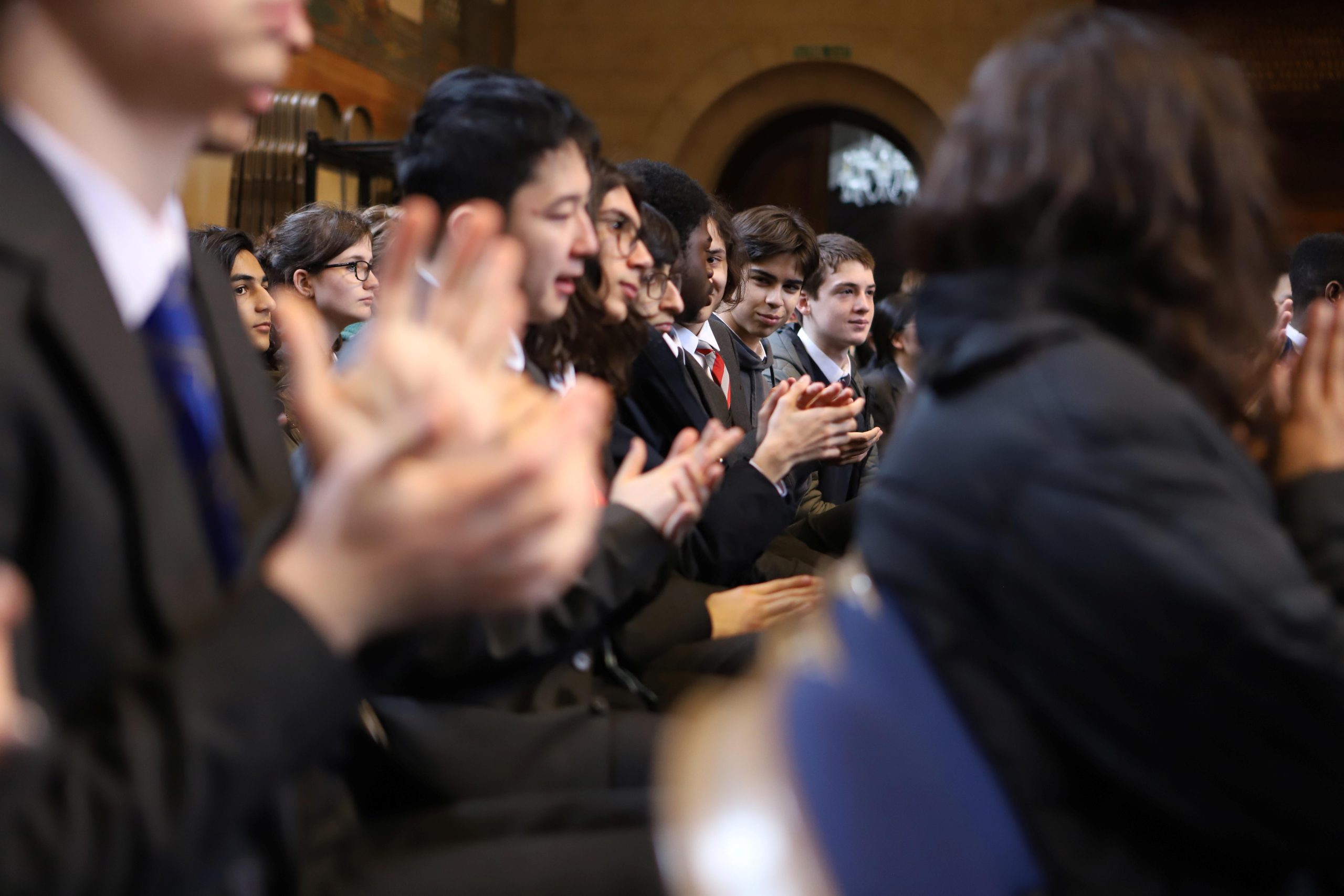
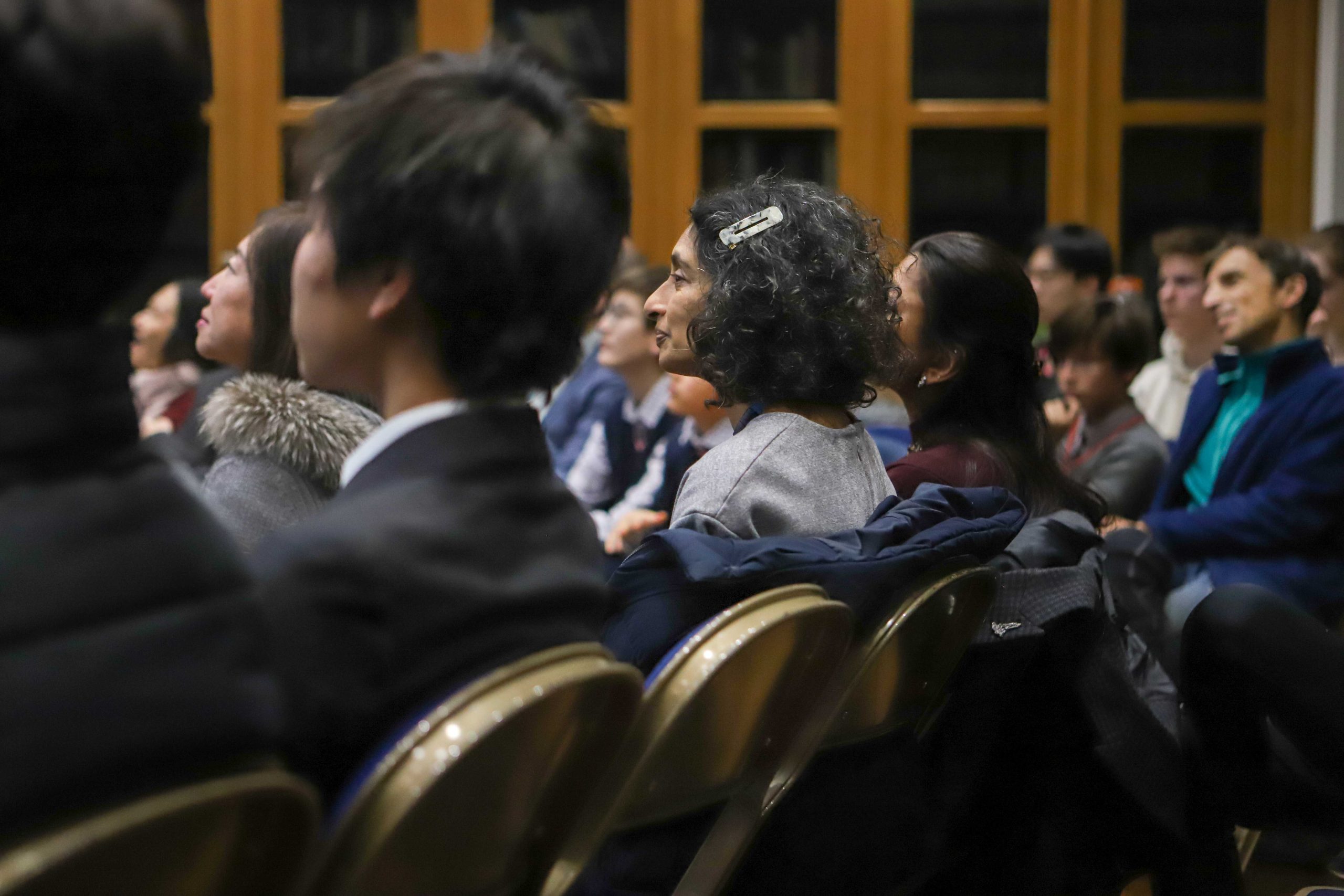
Following the talk, Gabriel (Remove, BB) said: “So much of today’s public discussion around scientists revolves around work cultures and salaries, but Professor Lockwood really captured the more human side of a scientist’s life – discovering entirely new places to conduct science, and meeting new people to share lifelong experiences with – and of course, there is always the eternal inspiration of the science itself – discovering more about our universe, on all its scales, and our place within it.”
Westminster’s Horizons Lecture Series is designed to provide opportunities for pupils to learn from global experts.
Related News Stories